
Hawk tuah girl cryptocurrency
Our glossary section was initially built to simply define basic crypto terms – but evolved into providing detailed explanations and insights for each concept, helping you to build a solid understanding of the cryptocurrency landscape and understand more in depth what terms really mean https://australiancasinolist.com/. Whether you’re new to crypto or looking to deepen your knowledge, our glossary makes it easy to navigate complex terminology with confidence.
Tokens, on the other hand, are crypto assets that have been issued on top of other blockchain networks. The most popular platform for issuing tokens is Ethereum, and examples of Ethereum-based tokens are MKR, UNI and YFI. Even though you can freely transact with these tokens, you cannot use them to pay Ethereum transaction fees.
In order to send and receive a cryptocurrency, you need a cryptocurrency wallet. A cryptocurrency wallet is software that manages private and public keys. In the case of Bitcoin, as long as you control the private key necessary to transact with your BTC, you can send your BTC to anyone in the world for any reason.
The very first cryptocurrency was Bitcoin. Since it is open source, it is possible for other people to use the majority of the code, make a few changes and then launch their own separate currency. Many people have done exactly this. Some of these coins are very similar to Bitcoin, with just one or two amended features (such as Litecoin), while others are very different, with varying models of security, issuance and governance. However, they all share the same moniker — every coin issued after Bitcoin is considered to be an altcoin.
However, not all cryptocurrencies work in the same way. While all cryptocurrencies leverage cryptographic methods to some extent (hence the name), we can now find a number of different cryptocurrency designs that all have their own strengths and weaknesses.
Cryptocurrency market
A cryptocurrency exchange is a platform that facilitates markets for cryptocurrency trading. Some examples of cryptocurrency exchanges include Binance, Bitstamp and Kraken. These platforms are designed to provide the best possible prices for both buyers and sellers. Some exchanges only offer cryptocurrency markets, while others also allow users to exchange between cryptocurrencies and fiat currencies such as the US dollar or the euro. You can buy and sell Bitcoin on practically all cryptocurrency exchanges, but some exchanges list hundreds of different cryptocurrencies. One metric that is important for comparing cryptocurrency exchanges is trading volume. If trading volume is high, your trades will execute fast and at predictable prices.
The first chain to launch smart contracts was Ethereum. A smart contract enables multiple scripts to engage with each other using clearly defined rules, to execute on tasks which can become a coded form of a contract. They have revolutionized the digital asset space because they have enabled decentralized exchanges, decentralized finance, ICOs, IDOs and much more. A huge proportion of the value created and stored in cryptocurrency is enabled by smart contracts.
The very first cryptocurrency was Bitcoin. Since it is open source, it is possible for other people to use the majority of the code, make a few changes and then launch their own separate currency. Many people have done exactly this. Some of these coins are very similar to Bitcoin, with just one or two amended features (such as Litecoin), while others are very different, with varying models of security, issuance and governance. However, they all share the same moniker — every coin issued after Bitcoin is considered to be an altcoin.
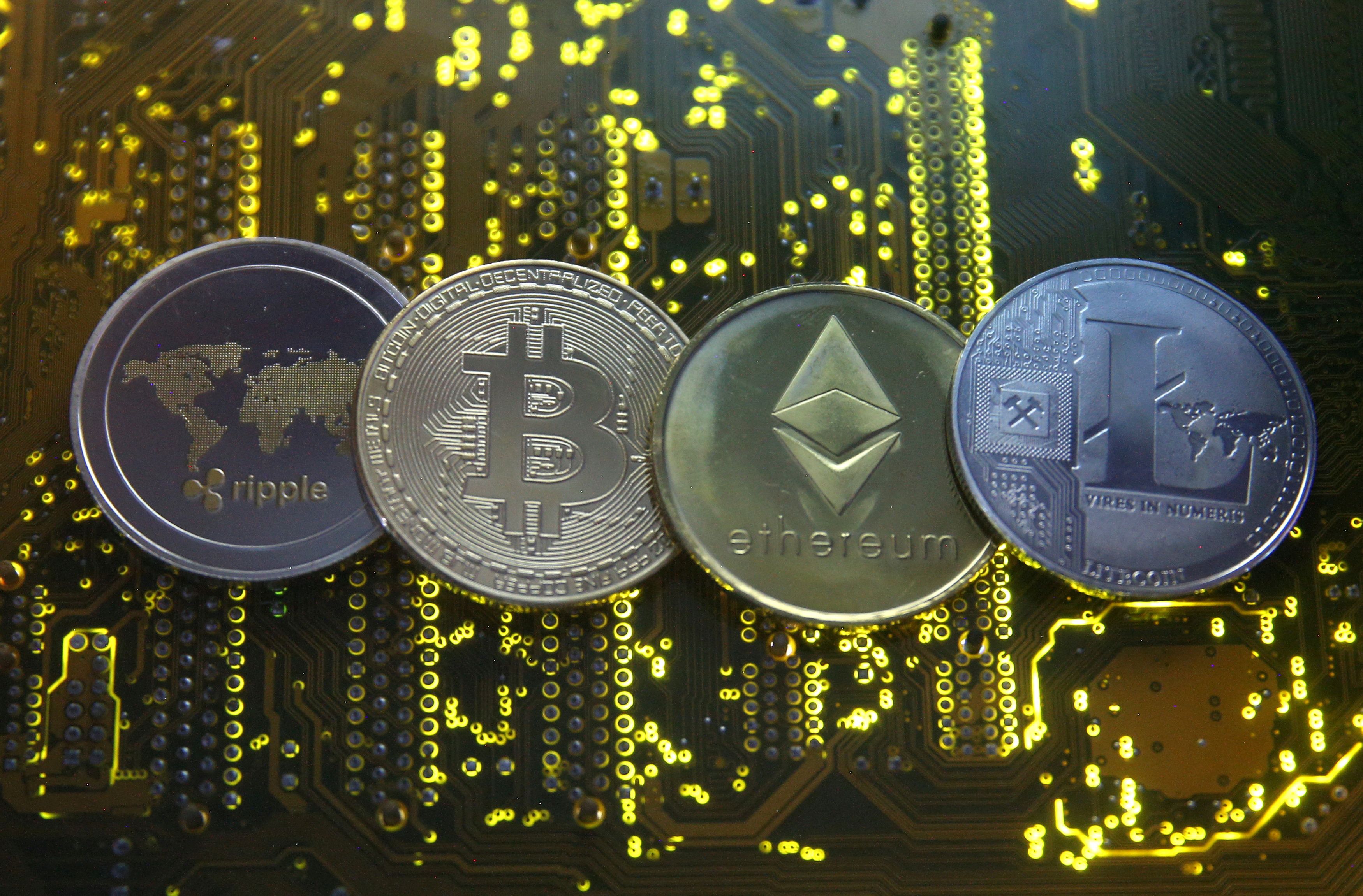
A cryptocurrency exchange is a platform that facilitates markets for cryptocurrency trading. Some examples of cryptocurrency exchanges include Binance, Bitstamp and Kraken. These platforms are designed to provide the best possible prices for both buyers and sellers. Some exchanges only offer cryptocurrency markets, while others also allow users to exchange between cryptocurrencies and fiat currencies such as the US dollar or the euro. You can buy and sell Bitcoin on practically all cryptocurrency exchanges, but some exchanges list hundreds of different cryptocurrencies. One metric that is important for comparing cryptocurrency exchanges is trading volume. If trading volume is high, your trades will execute fast and at predictable prices.
The first chain to launch smart contracts was Ethereum. A smart contract enables multiple scripts to engage with each other using clearly defined rules, to execute on tasks which can become a coded form of a contract. They have revolutionized the digital asset space because they have enabled decentralized exchanges, decentralized finance, ICOs, IDOs and much more. A huge proportion of the value created and stored in cryptocurrency is enabled by smart contracts.
Cryptocurrency bitcoin price
As compensation for spending their computational resources, the miners receive rewards for every block that they successfully add to the blockchain. At the moment of Bitcoin’s launch, the reward was 50 bitcoins per block: this number gets halved with every 210,000 new blocks mined — which takes the network roughly four years. As of 2020, the block reward has been halved three times and comprises 6.25 bitcoins.
Bitcoin’s source code repository on GitHub lists more than 750 contributors, with some of the key ones being Wladimir J. van der Laan, Marco Falke, Pieter Wuille, Gavin Andresen, Jonas Schnelli and others.
Furthermore, some who defend Bitcoin argue that the gold and banking sector — individually — consume twice the amount of energy as Bitcoin, making the criticism of Bitcoin’s energy consumption a nonstarter. Moreover, the energy consumption of Bitcoin can easily be tracked and traced, which the same cannot be said of the other two sectors. Those who defend Bitcoin also note that the complex validation process creates a more secure transaction system, which justifies the energy usage.
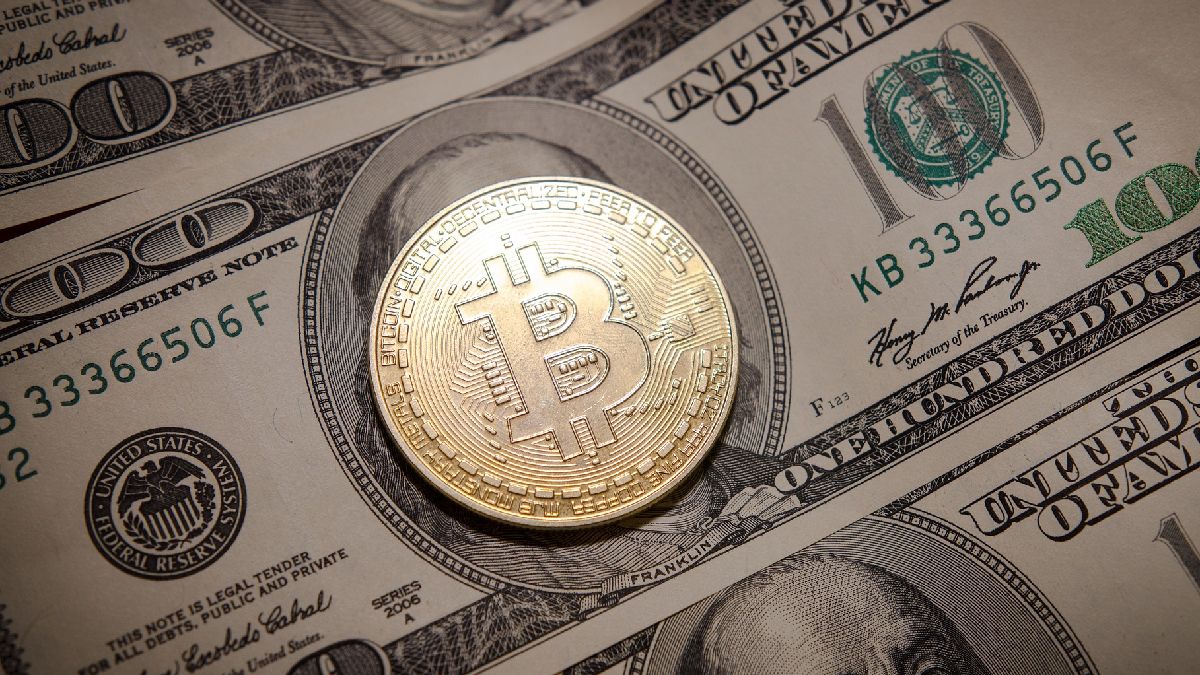
As compensation for spending their computational resources, the miners receive rewards for every block that they successfully add to the blockchain. At the moment of Bitcoin’s launch, the reward was 50 bitcoins per block: this number gets halved with every 210,000 new blocks mined — which takes the network roughly four years. As of 2020, the block reward has been halved three times and comprises 6.25 bitcoins.
Bitcoin’s source code repository on GitHub lists more than 750 contributors, with some of the key ones being Wladimir J. van der Laan, Marco Falke, Pieter Wuille, Gavin Andresen, Jonas Schnelli and others.
Furthermore, some who defend Bitcoin argue that the gold and banking sector — individually — consume twice the amount of energy as Bitcoin, making the criticism of Bitcoin’s energy consumption a nonstarter. Moreover, the energy consumption of Bitcoin can easily be tracked and traced, which the same cannot be said of the other two sectors. Those who defend Bitcoin also note that the complex validation process creates a more secure transaction system, which justifies the energy usage.